And Helping to Add to the Ground Water
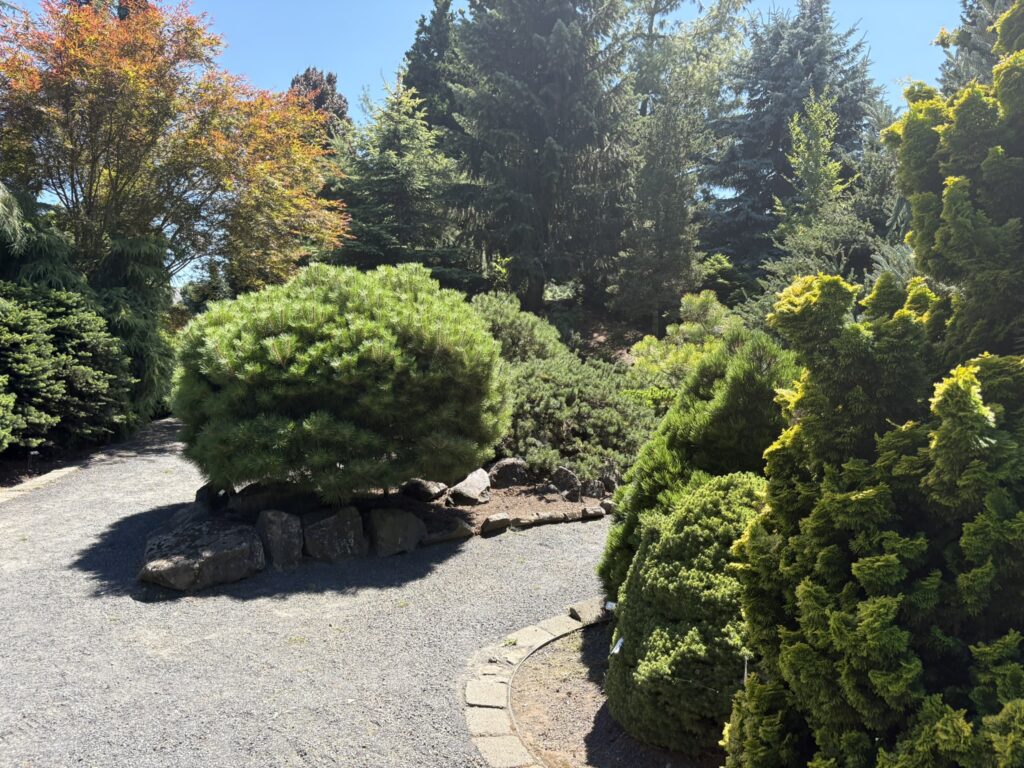
Recently I wrote a post for the Travelogue about the Oregon Garden. This garden has a huge water reclamation system reutilizing runoff from Agriculture which is filtered by marshes and ponds then used to irrigate the garden and to flow down to the lower Willamette Valley. It is a great example of creative thinking when planning a garden, on the ways to help fresh and grey water return back into the earth. The ground water feeds trees, plants and all kinds of organisms and ultimately becomes drinking water for you and I. In that spirit lets look at some alternates to solid paving.
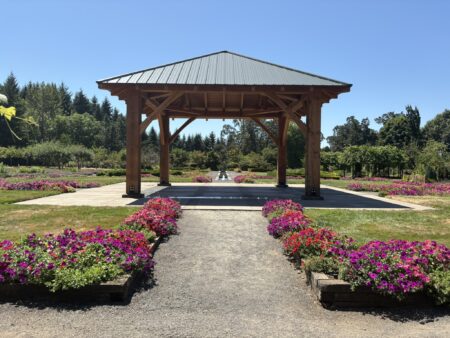
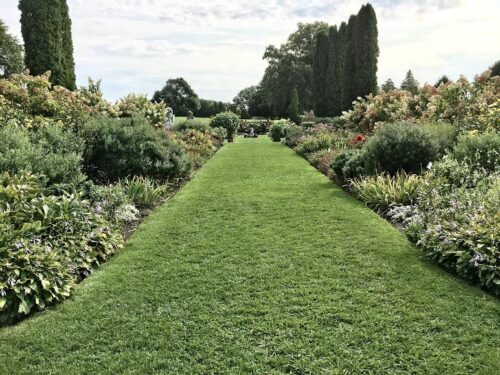
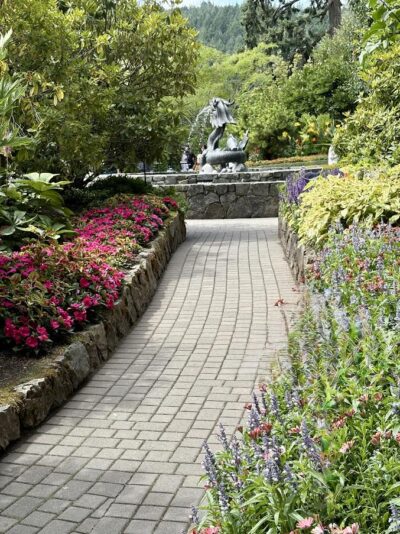
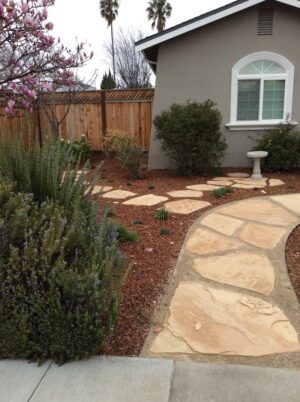
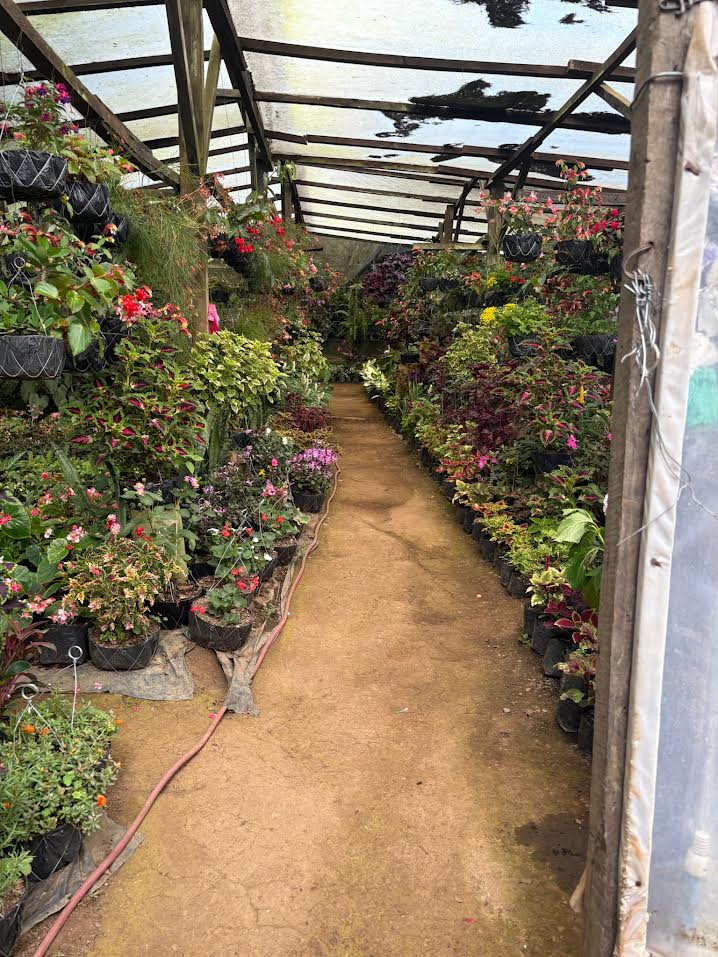
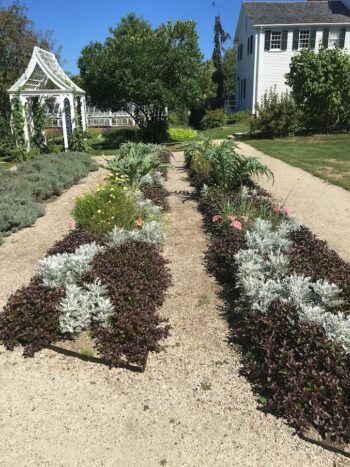
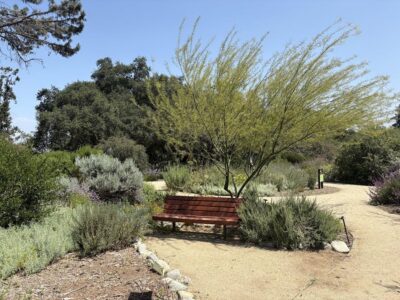
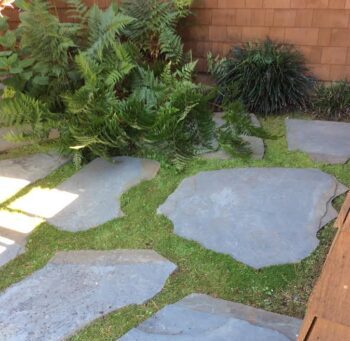
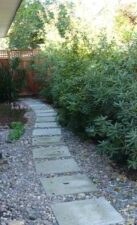
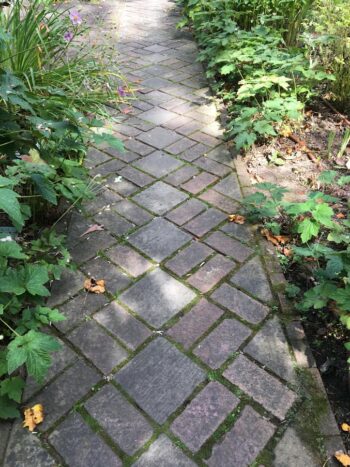

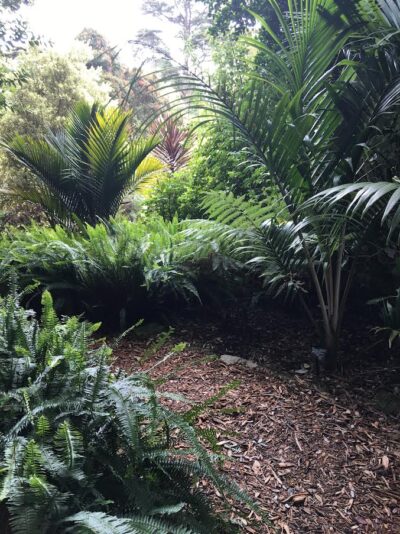
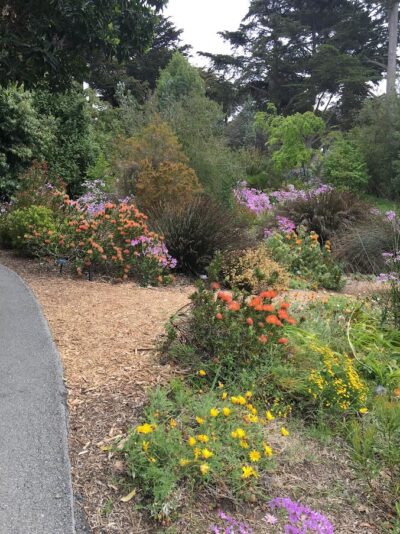
This gallery has varied examples of rock and rock particles, permeable pavers, stepping stones, lawn and mulch as examples of alternates to hard paving. The big pro of most of these surfaces is that the overall cost compared to solid paving is much less. Second huge pro is that these path areas let water percolate down to tree roots and feed trees deeply, as well as other plants. The con of these materials is that they need to be replenished over time. Also many of the small particle materials, that are loose, can track into the home or into buildings. Gravel “jumps” and can be messy next to hard paving. That is actually what prompted me to write this blog. I saw small stones used next to a sidewalk and lots of them had gotten onto the paving. Lets look at these surfaces one by one and I will note some information you should have when thinking about using alternates to hard paving.
One note before we do that- you want your front walk, patio, driveway and any other heavily used walks to be safe and durable. It is important to have surfaces that don’t form tripping areas and uneven spots easily, and for areas where you have constant use. It has been a trend from awhile to have big squares of concrete with rocks or lawn in 2-3″ joints being used for driveways and patios. This makes me cringe. Chair legs sliding into open joints, the pads becoming uneven and causing tripping hazards and older or disabled folks trying to navigate stepping pads are all a source of worry for a landscape designer like me. Anyway, keep all this in mind when planning your path and walk areas.
Mulched Path Areas
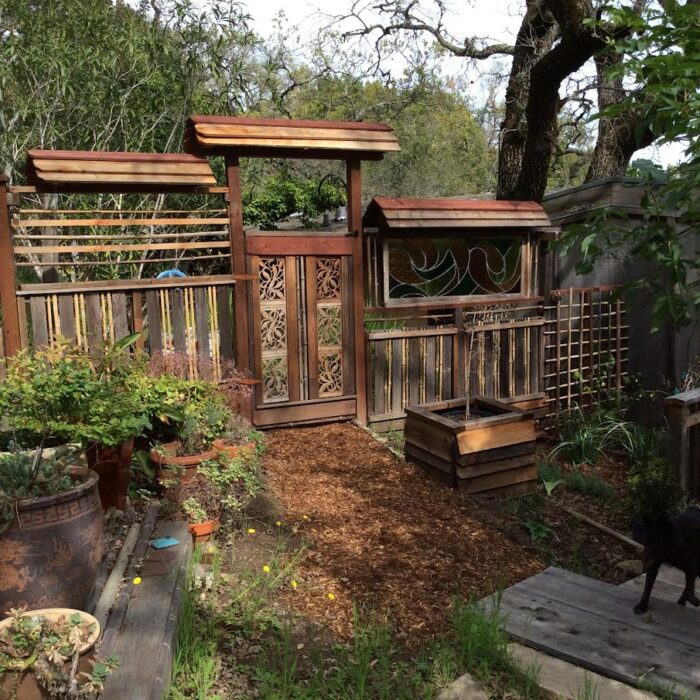
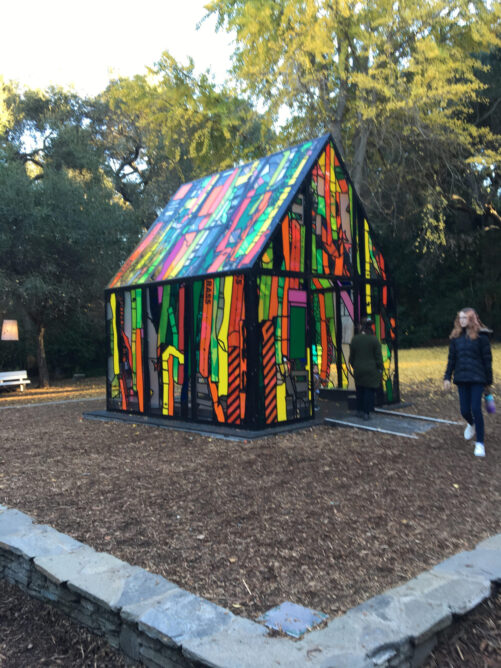
Mulched Pathways are usually used in garden areas with low traffic and blend seamlessly into the landscape. Mulch is shredded up material i.e. fir or redwood bark, leaves, twigs and branches. It is a soft path and is great in areas where there are lots of roots, because it allows water to percolate and lays over the roots without harming them. Don’t confuse shredded bark with bark chips or chunks (tan bark) which is messy, dirty and moves around too much to be used as a path, It also floats so can wash away in the winter. Shredded bark knits together much better. Recently, there has been a concern about flammability of mulch near house walls in areas with high fire risk. Use rock in place of mulch if your home is one of these areas.
To avoid weeds, a pathway should be dug out 3-4″ and underlaid with a woven weed barrier. Pack down the mulch in place and add more mulch each year to keep the path covered. You can use shredded material from your property and small to medium leaves as mulch also. Tree services will often give away mulch for free is they are working in your areas. Ask for mulch with no Oak or diseased material to avoid Sudden Oak Death and fungal diseases.
Rock or Small Particle Stones (Fines)
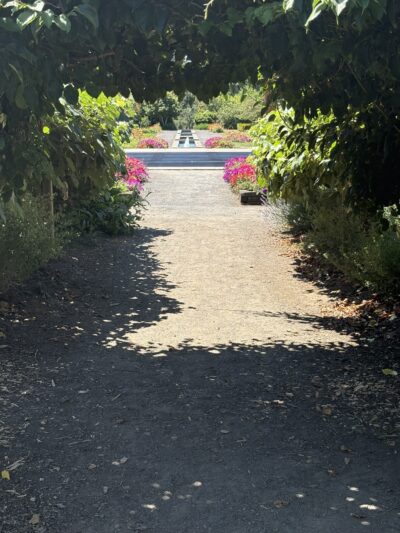
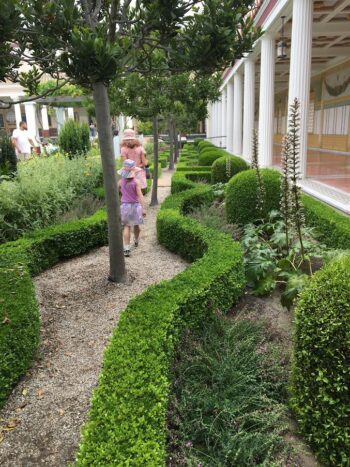
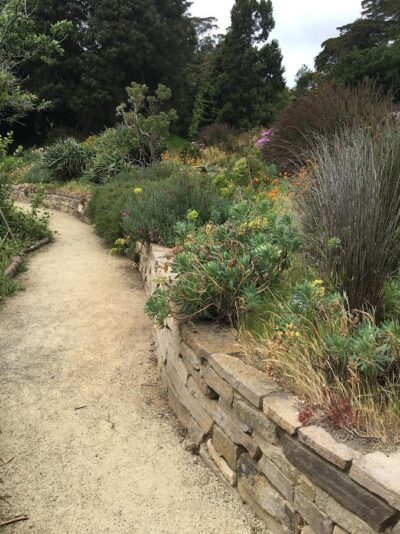
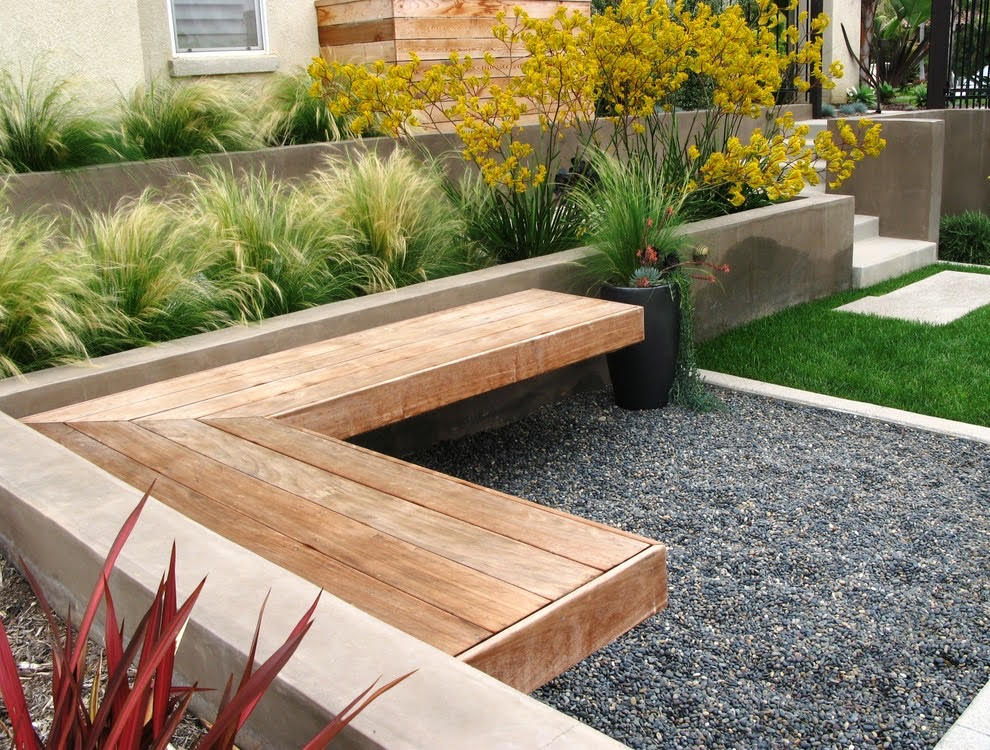
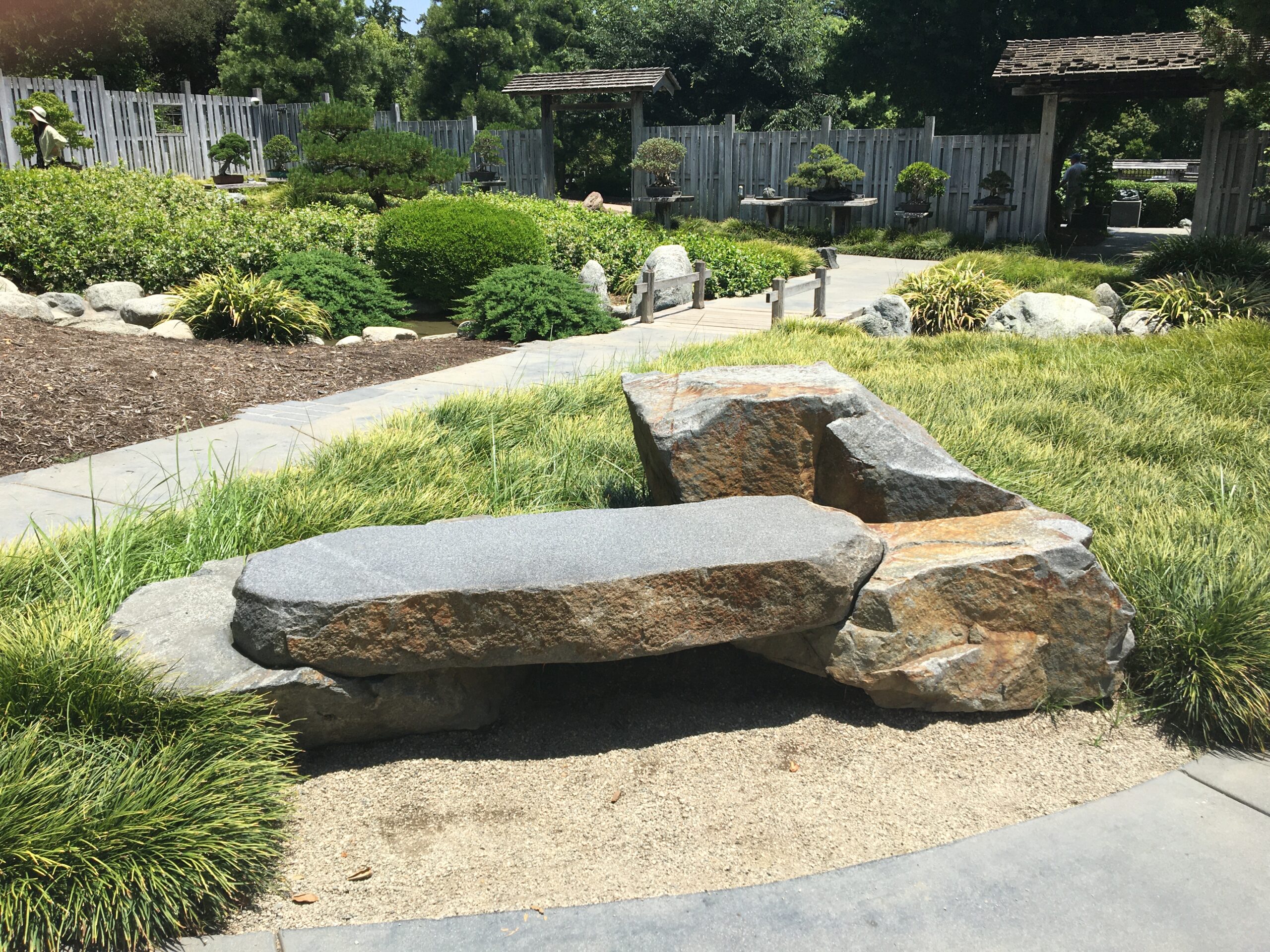
Walkable pathways with rock are usually stones that are gravel sizes 1/8″- 1/2″ or they are very small particle rock called fines. Fines come in a tan or gold color and also grey colors. Like the mulched pathways, it is good to dig out the path 3-4″ and underlay the area with woven weed barrier (never black plastic- it breaks up badly). The path can be edged with pressure treated 2×4 or composite lumber 2×4 in a 1″ width layered to make a 2″ wide board. Stake in place every 3-4′ nailing the edging to a wood stake. The top of the path should be even with ground level to avoid tripping hazard at the edge of the path. Crown the center of the path so water will run off the surface.
Pack the stones in place with a heavy tamper or heavy roller. You have the option to purchase fines pre-mixed with a polymer which will adhere the particles (Stabilizer). It will still percolate water though. This is helpful so the material doesn’t track into the home. It takes awhile for the path to firm up, but when it does it’s a very hard surface. One of my client uses a fines path for his mobility scooter.
Rock and small particle rock path areas need to be replenished every 3-7 years, as they will sink over time. These types of path areas do not work at all on hills since they erode and wash away. Still they are a great alternate to solid paving for level areas. With Rock and rock particle path areas, the smaller the size of the material, the better it packs. Gravel tends to “jump”, as we had discussed, while fines hold in place better.
Stepping Stones
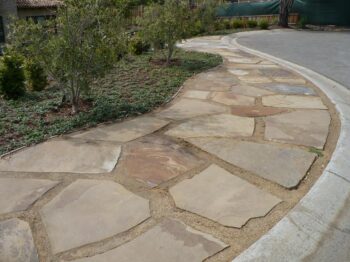
I like stepping stones okay but, in my mind they should be big enough to walk on comfortably and be set well so they stay even and level. Stepping stones with a ground cover in between them can be a weeding issue, so I do prefer small stones in between over ground cover. In some climates, moss just grows in the joints naturally (like in the picture above) but we can’t always count on moss to fill the gaps.
Stepping stones or concrete squares should be 16-18″ across minimum and be thick slabs- 1 1/2″-2″ thick so they don’t crack. Dig out the path and lay down a compacted sand base of 1″ making a level area. Use a composite lumber or pressure treated 2×4 edge. This is a good layer for the stones to sit evenly on and acts as a cushion over the soil. You can underlay the sand with woven weed cloth to help with weed issues. Set up the stones to have 4-6″ joints and fill the joints with fines or small gravel. The surface of the path should be even with ground level or finish grade. Replenish the stones in the joints over time as they sink.
Lawn
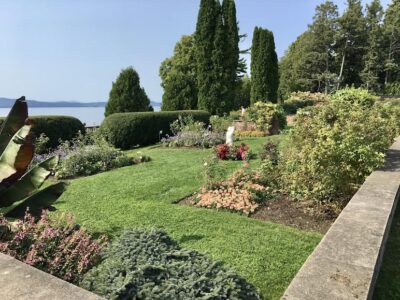
There is a reason why we like lawn. It is soft, cool and a pretty color. Toddlers can fall over on it and not get scraped. But, for drought and summer drought regions lawn is not a good choice for path areas- too much water needed. Then again if you happen to live in a climate that has lots of rain and moisture, lawn can be a wonderful pathway. It takes some care and feeding plus aeration so consider the maintenance when using lawn.
Permeable Pavers
There is a type of interlocking paver that lets water percolate through the paving. They are not super common as they can be pricey but, cities and towns use them to mitigate water drainage into rivers. streams and bays. Some have joints that allow percolation while other types have a special type of paver brick that actually lets water run through slowly. They are available to residential folks and are sold as permeable interlocking paver systems. The city planners sometimes list them as pervious paving as opposed to impervious paving. The above options to solid paving would also qualify as pervious surfaces.
Most of the path surfaces we discussed here can accumulate sand, soil and fine particle organic matter over time. This can lead to weeds. To avoid weeds sprinkle the path with ‘Preen’ weed preventer or ‘Ortho’ weed preventer in late fall and again in spring to keep weed seeds from germinating. For an organic method spray any weeds in the path with diluted vinegar. If you get large weeds in an area with weed cloth underneath, do not pull them! This will pull up the cloth and that is not good. Instead spray the weed with Vinegar and water or an herbicide and cut off the top as it dies off.
I hope this has been a helpful article for you. If you are looking for a broader range of choices, you should also see my blog on paving:
I also have an EBook available on the website that I wrote about how to design landscaping and understand proportions and materials. Here is a link for the EBook page: